Understanding Powder Coating in Metalwork
Powder coating is a pivotal process in the finishing of metalwork, especially in harsh environments like Fujairah. This method not only enhances the aesthetics of the metal surfaces but also significantly increases their durability against the elements. At Al Taher Group, we have harnessed the power of Powder coating to ensure that our metal products meet the highest standards of quality and longevity.
What is Powder Coating?
Powder coating is a dry finishing process that involves the application of a free-flowing powder to a surface. This powder is composed of finely ground particles of pigment and resin, which are electrostatically charged and sprayed onto the surface to be coated. The coated surface is then cured under heat, leading to a hard, durable finish that is resistant to chipping, scratching, fading, and wearing. Unlike traditional paint, powder coating does not require a solvent, making it an environmentally friendly option due to lower volatile organic compound (VOC) emissions.
The Benefits of Using Powder Coating
One of the primary advantages of powder coating is its superior durability. The cured finish is not only tough but also provides excellent resistance against corrosion, making it ideal for outdoor applications. Powder-coated surfaces require less maintenance compared to painted ones, as they are less prone to peeling and degradation. Additionally, powder coating offers a wide variety of colors and finishes, allowing for greater customization according to client preferences.
Common Applications in Gates and Doors
In the context of gates and doors, powder coating proves to be an outstanding choice. It is frequently used for decorative metal gates, security doors, and fencing, providing both protection and visual appeal. The powder coating process enhances the longevity of these structures by protecting them against the salt-laden air prevalent in Fujairah, which can be particularly harmful to untreated metal.
Key Steps in the Powder Coating Process
Preparation of Surfaces for Coating
Preparation is critical in achieving a high-quality powder coating finish. Surfaces must be thoroughly cleaned to remove any oils, dirt, or previous coatings. This is often achieved through a combination of mechanical cleaning and chemical treatments, ensuring the metal is free from contaminants that could compromise adhesion.
Applying Powder Coating
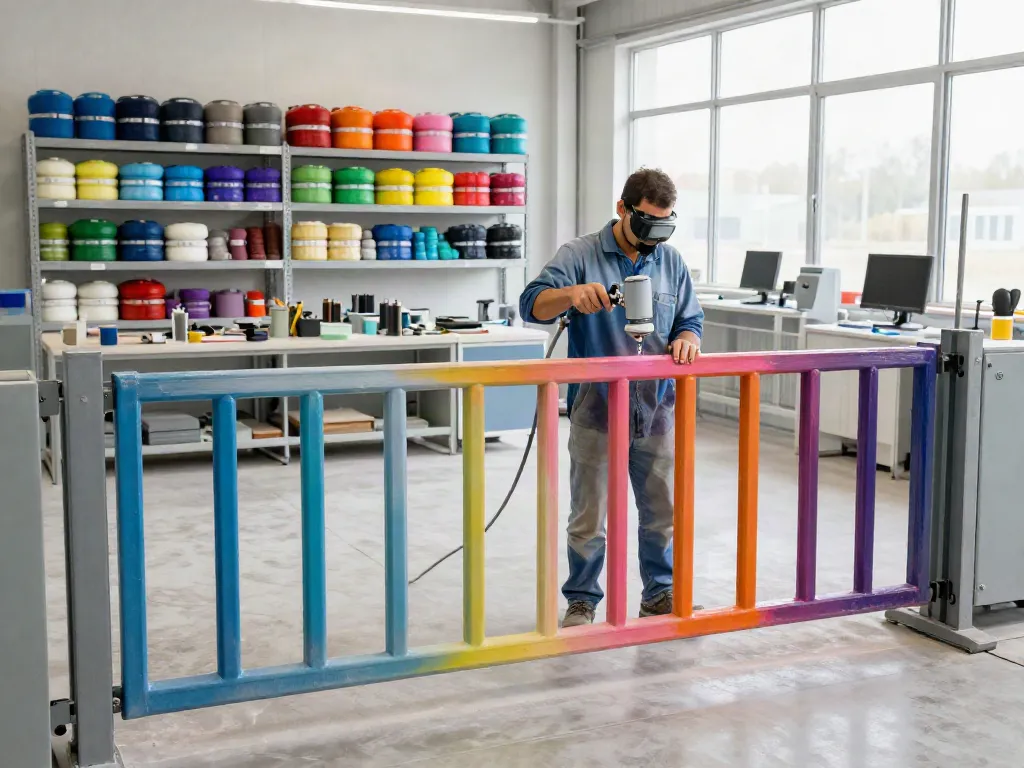
The application of powder coating is carried out using an electrostatic spray gun, which ensures an even distribution of the powder over the surface. The electrostatic charge helps the powder adhere more effectively, allowing for a smoother and more uniform finish. Care must be taken to ensure that the coating is applied evenly and according to the specifications required for each project.
Curing and Finishing Techniques
After application, the coated item is placed in an oven where it is heated to a temperature that allows the powder to melt and flow out, forming a continuous film. The curing process typically lasts between 10 to 30 minutes, depending on the thickness of the coating and the type of powder used. Once cured, the finish is allowed to cool before it is handled or installed, ensuring that the coating has reached its full hardness and durability.
Choosing the Right Powder Coating Materials
Types of Powder Coating Materials Available
Several types of powder coating materials are available in the market, including epoxy, polyester, and hybrid powders. Epoxy powders are known for their superior adhesion and chemical resistance, while polyester powders offer greater UV resistance and color retention, making them ideal for outdoor applications. Hybrid powders combine the benefits of both, providing a versatile solution for various environments.
Color Selection and Aesthetic Considerations
When choosing powder coatings, color selection is crucial. The aesthetic appeal of a finished product can significantly influence its desirability. With a plethora of colors and finishes available, clients can select from matte, glossy, textured, or metallic options to achieve the desired look for their metalwork. The choice of color can also reflect the architectural style of the surrounding area, blending seamlessly or standing out as a feature.
Durability Factors to Consider in Fujairah Climate
Fujairah's coastal climate presents unique challenges for exterior metalwork. The high humidity and salt-laden air can accelerate corrosion if proper measures are not taken. Therefore, selecting the right powder coating that can withstand these conditions is essential. A durable powder coating will provide a robust barrier against the elements, preserving the integrity and appearance of metal structures over time.
Challenges and Solutions in Powder Coating
Common Issues with Powder Coating
Despite its numerous advantages, powder coating can present several challenges. One common issue is orange peel, which results in a textured surface rather than the desired smooth finish. Other potential problems include uneven thickness, contamination during application, and improper curing leading to defects. Understanding these challenges is critical for ensuring quality control in the coating process.
How to Achieve a High-Quality Finish
To achieve a high-quality powder coating finish, it is essential to adhere to strict preparation, application, and curing processes. Implementing thorough surface preparation techniques, controlling environmental conditions during application, and ensuring accurate curing times are all vital steps. Additionally, conducting regular quality checks can help identify issues early in the production process, allowing for corrective actions to be taken.
Addressing Environmental Concerns in Coating
Environmental concerns are increasingly influencing coating choices. While powder coating is considered a more eco-friendly option compared to traditional paint due to its lower emissions, it is essential to consider additional factors such as waste management and recycling. Offering clients sustainable choices, such as using recyclable materials for packaging, can further enhance the environmental benefits of powder coating.
Future Trends in Powder Coating for 2026
Emerging Technologies in Coating Processes
As technology continues to advance, new developments in the powder coating process are emerging. Automation and robotics are beginning to play a significant role in improving efficiency and precision in coating applications. Enhanced curing systems, such as infrared or UV curing, are also being adopted to reduce energy consumption and improve production speed.
Market Trends and Consumer Preferences
Consumer preferences are shifting towards more sustainable and environmentally friendly products. As a result, manufacturers are increasingly focusing on developing eco-friendly powder coatings that offer reduced environmental impact without compromising quality. Trendy colors and finishes that reflect contemporary design aesthetics are also becoming popular, requiring constant innovation in powder coating offerings.
Predictions for the Manufacturing Industry
Looking ahead to 2026, the manufacturing industry is expected to embrace greater automation and digitalization in the powder coating process. This shift will not only enhance efficiency but also improve quality control, allowing for more precise applications and reduced waste. Manufacturers who adapt to these trends will likely gain a competitive edge, positioning themselves as leaders in the metal finishing market.
What does powder coating do?
Powder coating provides a robust protective layer that enhances surface durability and aesthetic appeal. It is primarily used to prevent corrosion, improve the lifespan of metal products, and provide a variety of color options that traditional painting cannot offer.
How much does powder coating usually cost?
The cost of powder coating can vary significantly based on several factors, including the size of the item, the complexity of the design, and the chosen powder materials. On average, homeowners can expect to pay more for powder coating compared to traditional paint, but the long-term benefits often justify the initial investment.
What are the negatives of powder coating?
While powder coating offers numerous advantages, it does have some downsides. The application process requires specialized equipment and skilled labor, meaning that initial setup costs can be high. Additionally, if not properly applied, defects can occur, leading to a need for rework or touch-ups.
What type of paint is powder coating?
Powder coating is not a paint in the traditional sense, as it is applied in dry form and cured through heat rather than being liquid. The primary components are pigment and resin, which create a durable, high-quality finish once cured.
What is the lifespan of a powder-coated surface?
The lifespan of a powder-coated surface can vary based on factors such as the environment and application. However, when applied correctly, powder coating can last 10-20 years or longer, making it an excellent choice for long-term durability.